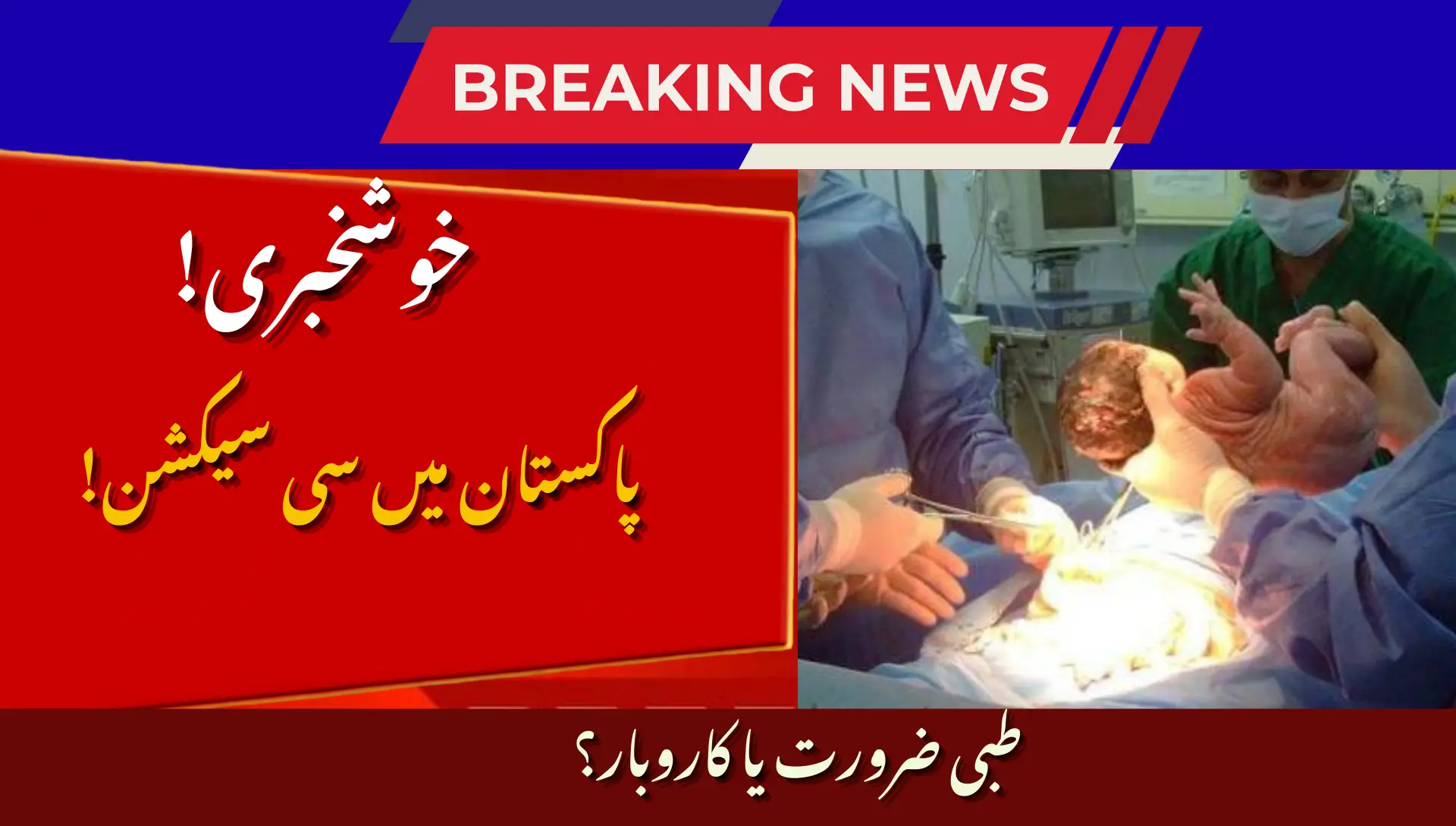
Unnecessary C-Sections in Pakistan. Unnecessary C-sections in Pakistan are increasing at an alarming rate, raising serious concerns about maternal health, ethics, and profit-driven healthcare practices. While caesarean delivery can be life-saving, its misuse has turned childbirth into a business rather than a medical decision.

Understanding C-Sections: A Life-Saving Procedure Misused
What Is a C-Section?
A caesarean section (C-section) is a surgical procedure used to deliver a baby through incisions in the abdomen and uterus. Globally, it is recommended only when medically necessary, such as:
- Fetal distress
- Placenta previa
- Obstructed labour
- Severe preeclampsia
According to the World Health Organization (WHO), the ideal C-section rate should not exceed 10–15% of total births.
Unnecessary C-Sections in Pakistan: A Growing Crisis
Pakistan is witnessing a sharp rise in non-medically indicated caesarean deliveries, especially in private hospitals. The lack of regulatory oversight allows hospitals and doctors to prioritise convenience and profit over patient safety.
Key Reasons Behind the Surge
1. Profit-Driven Private Hospitals
C-sections generate significantly higher revenue compared to normal deliveries.
| Delivery Type | Estimated Cost |
|---|---|
| Normal Delivery (Public) | Rs 500–2,000 |
| C-Section (Private) | Rs 100,000–400,000 |
Between 2016 and 2024, over Rs 16.36 billion was paid in C-section claims, highlighting how childbirth has become a lucrative business.
2. Convenience for Medical Staff
Doctors often prefer scheduled C-sections because:
- They take less time
- Labour unpredictability is avoided
- Staffing becomes easier
This convenience, however, comes at the cost of maternal and neonatal health.

3. Weak Accountability & No Central Data
Pakistan lacks a centralised maternal health database, making it nearly impossible to track:
- Hospital-wise C-section ratios
- Doctor-specific trends
- Medical justification
Even major hospitals such as Civil Hospital Karachi report having no complete delivery records, indicating systemic negligence.
Real Stories: When Choice Becomes Pressure
Case Study: Bashira Rani (Lahore)
Bashira underwent a C-section due to high blood pressure risks. While medically justified, her case reflects how fear-based counselling often pushes women toward surgery.
Case Study: Sajida Bibi (Peshawar)
Sajida claims she was emotionally coerced into a C-section despite repeatedly refusing.
“I cried and begged the doctor not to do it, but they went ahead. Now I suffer from severe back pain and complications.”
Her experience mirrors countless women who feel powerless during childbirth.
Case Study: Naila’s Daughter
A private hospital demanded Rs 200,000 for a C-section. Eventually, a bribe at a public hospital enabled a normal delivery—exposing corruption within the healthcare system.

Medical Risks of Unnecessary C-Sections
According to Dr Erum Majid, Associate Professor at Jinnah Hospital:
Short-Term Risks
- Excessive bleeding
- Infections
- Anaesthesia complications
- Delayed recovery
Long-Term Risks
- Chronic back pain
- Uterine rupture in future pregnancies
- Increased infertility risks
- Placental complications
“A normal vaginal delivery remains the safest option for mother and baby whenever possible,” Dr Majid emphasised.
Rising C-Section Rates Across Provinces
Sindh Statistics
- Jinnah Hospital Karachi (2025)
- Total Deliveries: 12,549
- C-Sections: 6,438
This means over 51% of births were surgical.
Punjab Trends
After the introduction of the health card system, C-section rates surged dramatically.
| Period | C-Sections Recorded |
|---|---|
| 2017–2024 | 525,619 |
| Post-2024 | 668,238 |
Medical experts believe insurance-based reimbursements incentivised surgical deliveries.
Role of Health Cards & Insurance Policies
While health cards aimed to improve access, they unintentionally:
- Encouraged hospitals to file higher-value claims
- Reduced motivation for natural deliveries
- Increased elective C-sections
This highlights the policy loopholes that reward surgical intervention.

Staff Shortages & Systemic Failures
According to Punjab Health Department sources, additional contributors include:
- Shortage of trained midwives
- Migration of experienced nurses abroad
- Overburdened public hospitals
- Poor labour room infrastructure
Instead of fixing these issues, hospitals opt for quick surgical solutions.
Are Patients Also Choosing C-Sections?
Yes—but partially.
Elective C-Sections Are Increasing
Dr Sunila Khan notes that some couples prefer C-sections to:
- Avoid labour pain
- Choose “auspicious” delivery dates
- Reduce waiting time
However, true informed consent is rare, as risks are often downplayed.
Ethical & Human Rights Concerns
Dr Shershah Syed, President of Pakistan Medical Association, calls unnecessary C-sections a human rights issue.
“When rates reach 50–70% in private hospitals, it is no longer medical—it is commercial.”

Such practices violate:
- Medical ethics
- WHO guidelines
- Women’s right to informed healthcare decisions
Who Regulates C-Sections in Pakistan?
Regulatory Gaps
- PMDC oversees medical education only
- Healthcare commissions lack enforcement power
- No audit system for surgical justification
According to Dr Khalid Sheikh, only postgraduate gynecologists are allowed to perform C-sections, yet monitoring remains weak.
How Can Pakistan Reduce Unnecessary C-Sections?
Actionable Solutions
1. Mandatory Reporting System
Hospitals must report monthly C-section data.
2. Independent Medical Audits
Random case reviews to assess medical necessity.
3. Strengthen Midwifery Programs
Skilled midwives reduce surgical dependency.
4. Patient Awareness Campaigns
Educate women about childbirth options and risks.
5. Insurance Policy Reforms
Equal reimbursement for normal deliveries.

FAQs
Why are C-sections increasing in Pakistan?
Due to profit incentives, staff shortages, insurance policies, and weak accountability.
Are unnecessary C-sections dangerous?
Yes. They increase risks of infection, bleeding, and long-term reproductive complications.
What is the WHO recommended C-section rate?
Between 10% and 15% of total births.
Do private hospitals perform more C-sections?
Yes, rates in private hospitals often reach 50–70%.
Can women refuse a C-section?
Legally yes, but psychological pressure often limits informed consent.
Conclusion
The surge in unnecessary C-sections in Pakistan reflects a healthcare system where profit outweighs patient safety. Without urgent reforms, women will continue to suffer physically, emotionally, and financially. Transparent regulation, ethical medical practice, and patient empowerment are no longer optional—they are essential.