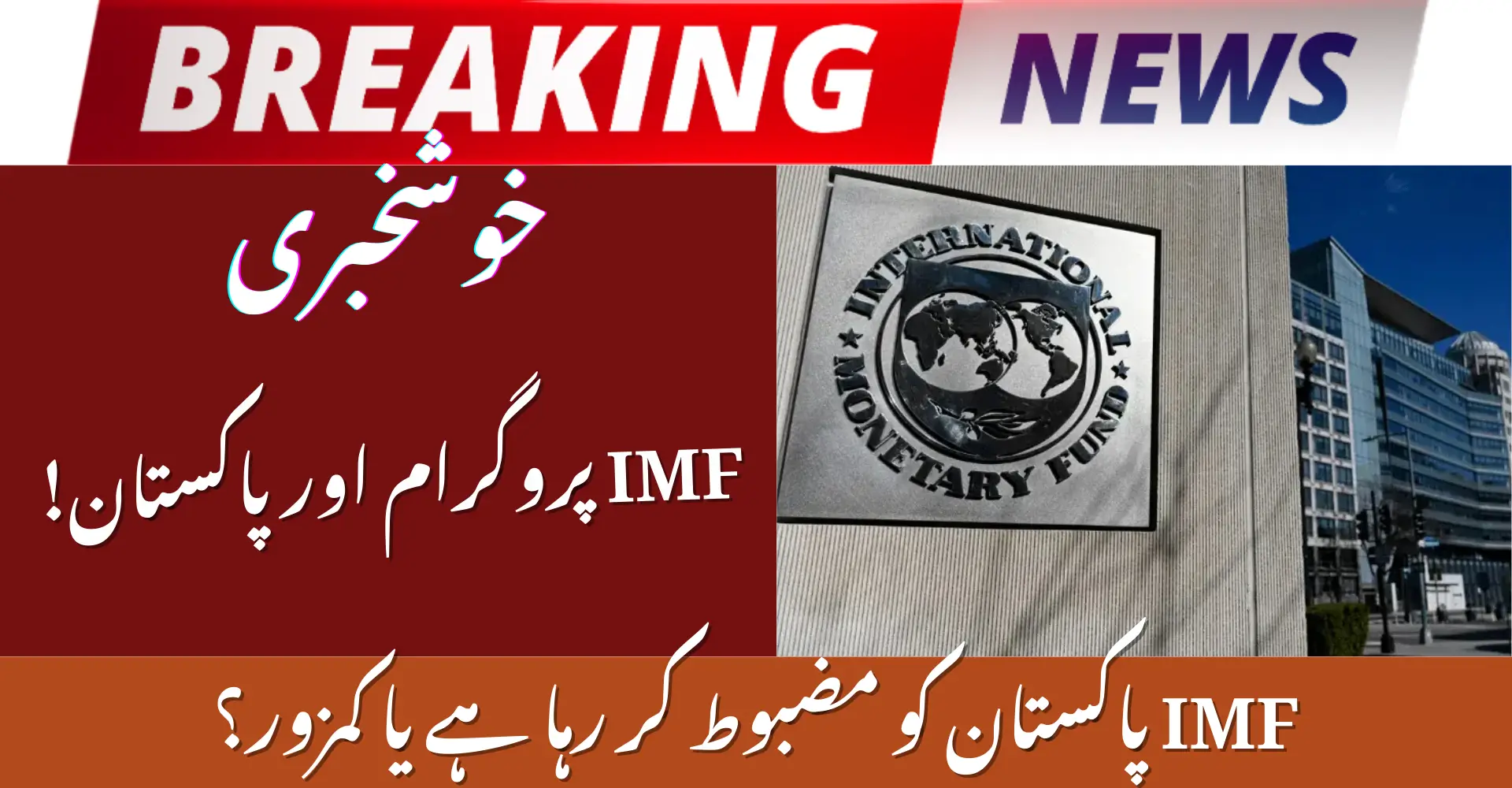
IMF Deals Perceived As Anti-Growth Across Pakistan 2026. Are IMF programs really slowing Pakistan’s growth?
In 2026, this question is back in focus after Ishaq Dar’s strong remarks.
He argues that IMF-backed policies ignore Pakistan’s fast-growing population and real economic needs.

This article breaks down what he said, why it matters, and how it affects Pakistan’s future.
IMF Deals and Pakistan’s Growth Debate
Pakistan’s relationship with the IMF has always sparked debate.
Supporters see stability. Critics see restricted growth.
At the Pakistan Policy Dialogue 2026, Ishaq Dar openly stated that IMF programs are widely perceived as anti-growth when population growth is considered.
Why Population Growth Changes the Picture
Pakistan’s population grows at around 2.6% annually.
According to Dar, any GDP growth below this rate does not improve living standards.
Key Insight
Growth above 2.6% should be treated as net growth.
Anything below only maintains the status quo.
This statement reshapes how economic success should be measured in Pakistan.
What Ishaq Dar Said at Pakistan Policy Dialogue 2026
Speaking at the closing session of the Pakistan Policy Dialogue, Dar outlined a broader economic vision.

He stressed that IMF-backed austerity measures limit public spending, reduce development pace, and slow job creation.
Core Message
Pakistan needs growth-focused reforms, not only fiscal tightening.
IMF Programs: Stability vs Growth
IMF agreements usually focus on:
- Reducing fiscal deficits
- Cutting subsidies
- Increasing taxes
- Tight monetary policies
These steps stabilize economies.
But in Pakistan’s case, they often slow expansion.
Why IMF Deals Feel Anti-Growth in Pakistan
| Factor | Impact |
|---|---|
| High interest rates | Discourage business investment |
| Reduced development spending | Slows infrastructure growth |
| Energy price hikes | Increase production costs |
| Tax pressure | Shrinks consumer demand |
For a developing country, these effects are deeply felt.
CPEC 2.0 and Pakistan’s Growth Strategy
Dar highlighted China–Pakistan Economic Corridor 2.0 as a major growth driver.
What Makes CPEC 2.0 Different
- Focus on industrial zones
- Export-oriented manufacturing
- Job creation
- Technology transfer
Unlike IMF programs, CPEC aims to expand economic capacity, not restrict it.

Expanding Global Economic Engagement
Pakistan is actively diversifying partnerships beyond traditional lenders.
Key Regions Mentioned
- United States
- Europe
- Gulf Cooperation Council
- Central Asia
These partnerships support:
- Trade growth
- Foreign investment
- Regional connectivity
- Employment creation
Bridging Pakistan’s $30 Billion External Financing Gap
One of the most important points raised was Pakistan’s external financing gap.
The $30 Billion Solution Plan
Dar proposed covering the gap through:
- $10 billion increase in remittances
- $10 billion growth in exports
- $10 billion expansion in services
This strategy reduces dependency on external borrowing.
Structural Reforms Underway in Pakistan
Despite criticism of IMF programs, Dar acknowledged that tough reforms were implemented.
Major Reforms Highlighted
- Privatisation of state-owned enterprises
- Circular debt reduction
- Government right-sizing
- Digital governance reforms
These reforms aim to improve efficiency and reduce long-term fiscal pressure.

Positive Economic Signals in 2026
According to Dar, these measures are already showing results.
Economic Improvements Noted
- Current account surplus
- Lower inflation
- Improved revenue collection
- Renewed investor confidence
These indicators suggest short-term stability, even if growth remains slow.
Pakistan’s External Economic Relations
Dar also shared updates on foreign relations shaping Pakistan’s economy.
US Tariff Negotiations
Pakistan is negotiating a 19% tariff arrangement with the United States.
If successful, this could boost exports and improve trade balance.
Defence and Economic Ties with Saudi Arabia
Pakistan has signed a defence agreement with Saudi Arabia.
Beyond security, this strengthens:
- Investment inflows
- Energy cooperation
- Workforce mobility
New Phase in Pakistan–Bangladesh Relations
Dar described improved relations with Bangladesh.
A China–Pakistan–Bangladesh trilateral framework already exists, opening new trade and logistics routes.
Regional Connectivity with Afghanistan
Pakistan is also considering a Pakistan–China–Afghanistan trilateral arrangement.
This could:
- Improve regional trade
- Enhance transit connectivity
- Support peace-linked economic development
Why the IMF Growth Debate Matters in 2026
This debate is not political noise.
It impacts:
- Jobs
- Inflation
- Cost of living
- Business confidence
Pakistan’s challenge is balancing short-term stability with long-term growth.
FAQs
Why are IMF deals seen as anti-growth in Pakistan?
Because they focus on austerity while ignoring population growth and job creation.

What growth rate does Ishaq Dar consider real growth?
Any growth above 2.6%, matching population growth.
How does CPEC 2.0 support Pakistan’s economy?
By promoting industrialization, exports, and employment.
What is Pakistan’s external financing gap in 2026?
Around $30 billion.
Is Pakistan reducing dependence on IMF loans?
Yes, by boosting exports, remittances, and services.
Conclusion
IMF deals remain a double-edged sword for Pakistan.
They bring stability but restrict growth.