Pakistan Electricity Demand Falls As Solar Net Metering Surges 4x in 2026. Why is Pakistan using less grid electricity while rooftop solar keeps growing? The answer lies in rising tariffs, weak demand, and a historic shift toward solar net metering. New data for 2026 shows a clear transformation in how Pakistan consumes power.

Pakistan’s Grid Electricity Demand Continues to Decline
Pakistan’s electricity sector is facing a long-term demand contraction rather than a short-term slowdown.
According to the State of Industry Report 2025, total electricity consumption across all distribution companies declined in real terms despite a small year-on-year increase.
Electricity Consumption Snapshot (FY2021–FY2025)
| Fiscal Year | Total Consumption (GWh) | Change |
|---|---|---|
| FY2021-22 | Higher baseline | — |
| FY2022-23 | Slight decline | ▼ |
| FY2023-24 | 109,600+ | ▼ |
| FY2024-25 | 111,466.7 | ▲ 1.7% YoY |
Despite growth in FY2024-25, demand remains 11.8% lower than FY2021-22 and 1.3% below FY2022-23, confirming a multi-year contraction.
Residential Share Rises, But Consumption Does Not
Residential electricity now accounts for 50.5% of total demand, up from 49.2% last year.
However, this increase does not signal higher household usage.
Why the Residential Share Increased
- Agricultural demand dropped over 31% YoY
- Households reduced grid reliance due to high tariffs
- Solar installations offset grid consumption
This shift reflects structural demand erosion, not economic recovery.
Industrial Electricity Demand Shows Limited Recovery
Industrial consumption increased from 27,754 GWh to 29,114 GWh, showing modest improvement.

Key Drivers Behind Industrial Uptick
- Migration from captive power plants to the national grid
- Government incentive packages
- Temporary stabilization in industrial output
Still, industrial demand remains constrained by:
- High electricity tariffs
- Inflation and weak exports
- Uncertain energy policy environment
High Tariffs Are Pushing Consumers Toward Solar
Electricity prices remain the single biggest factor reshaping demand.
Households and businesses are actively seeking alternatives as grid electricity becomes less affordable each year.
Why Consumers Are Leaving the Grid
- Rising per-unit tariffs
- Fixed capacity charges
- Load shedding concerns
- Faster solar payback periods
This shift has accelerated Pakistan’s rooftop solar revolution.
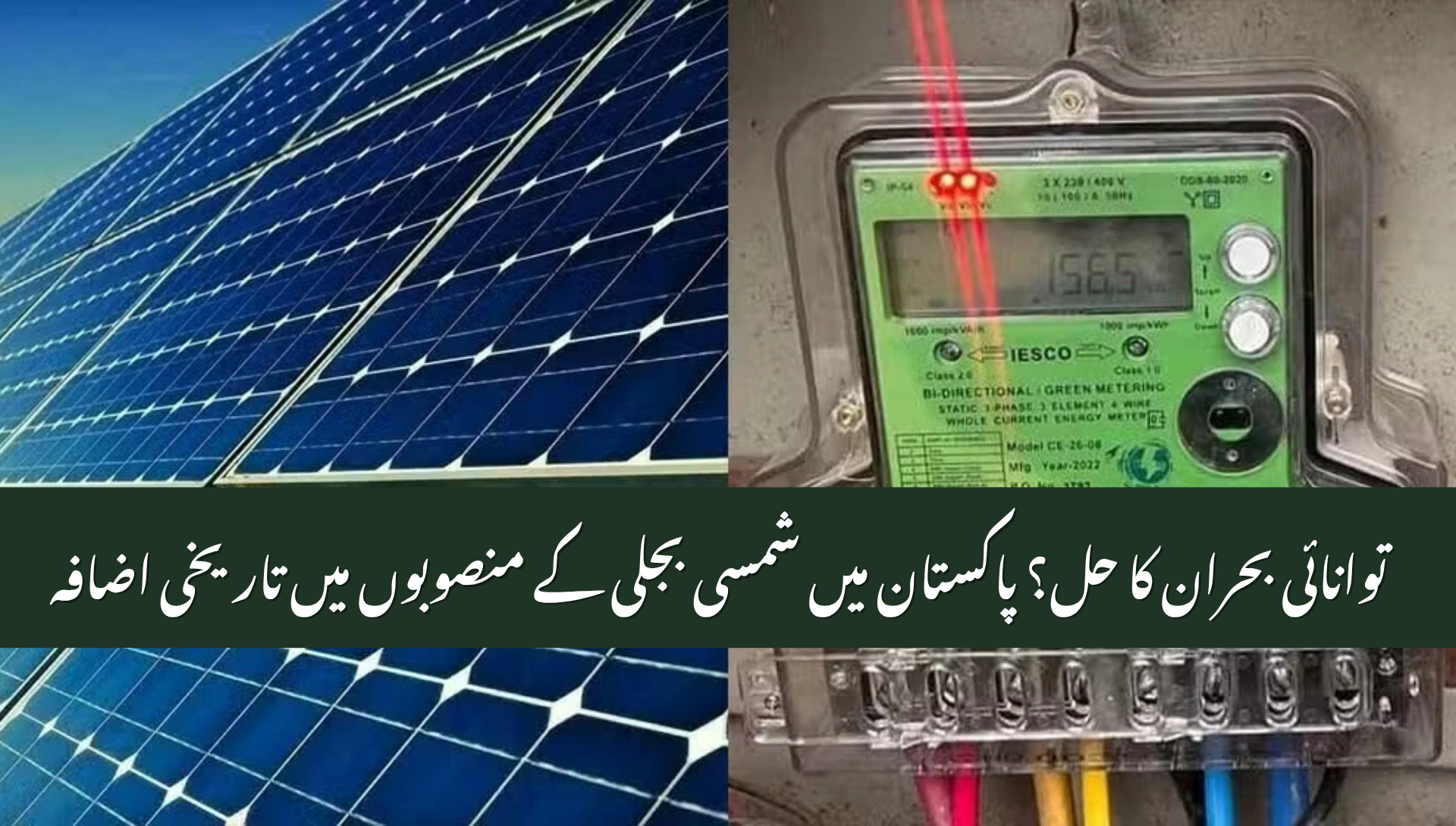
Solar Net Metering Grows Nearly 4x in Two Years
Net metering has emerged as the most disruptive force in Pakistan’s power sector.
Net Metering Consumer Growth
| Fiscal Year | Consumers |
|---|---|
| FY2021-22 | 37,769 |
| FY2022-23 | 56,427 |
| FY2023-24 | 141,054 |
| FY2024-25 | 378,000+ |
As of June 30, 2025, DISCOs reported 350,207 net-metering users, while K-Electric added 28,132, pushing nationwide adoption beyond 378,000 connections.
Installed Capacity and Power Flow Impact
The rapid rise in connections has been matched by strong generation growth.

Net Metering Power Exchange (FY2024-25)
- Exported to grid: 3.1 billion kWh
- Imported from grid: 5.2 billion kWh
- Net import: 1.76 billion kWh
This shows that even solar users still depend heavily on the grid, especially at night and during peak demand.
Urban DISCOs Dominate Solar Adoption
Large urban distribution companies continue to lead solar adoption.
Top Solar-Heavy DISCO Regions
- LESCO
- FESCO
- MEPCO
- IESCO
These areas benefit from:
- Dense urban housing
- Higher-income households
- Larger rooftops
- Better access to installers
Smaller DISCOs lag behind due to infrastructure and affordability gaps.
Households Export Power, Industry Imports More
Net metering is changing traditional load patterns.
Consumption Behavior by Sector
- Domestic users export more electricity
- Industrial users import more electricity
- Revenue recovery becomes uneven
Within Karachi, solar adoption remains household-driven, even though the city is Pakistan’s largest power market.
Rooftop Solar Is a Cost Shield, Not an Efficiency Tool
The regulator confirms that solar adoption is driven by affordability, not optimization.

Households use solar to:
- Reduce monthly bills
- Escape tariff volatility
- Gain partial energy independence
Industrial users still rely on grid stability and backup power.
Fixed Capacity Payments Create a Systemic Risk
A critical challenge is emerging beneath solar growth.
Power producers receive fixed capacity payments regardless of demand.
As more consumers move to solar:
- Grid demand falls
- Per-unit costs rise
- Remaining consumers pay more
This creates a tariff spiral that accelerates further solar migration.
Impact on Circular Debt and Utilities
Utilities warn that uncontrolled net metering:

- Weakens cost recovery
- Shrinks the revenue base
- Intensifies circular debt
At the same time, consumers report:
- Delayed bill adjustments
- Settlement disputes
- Administrative inefficiencies
NEPRA Orders Impact Studies
In response, NEPRA has instructed all DISCOs to conduct:
- Technical impact assessments
- Financial sustainability reviews
- Commercial loss evaluations
These studies will shape future net-metering tariffs and policy reforms.
Off-Grid and Hybrid Solar Is Rising Faster
Beyond net metering, Pakistan is seeing rapid growth in:
- Off-grid solar systems
- Hybrid solar-battery solutions
This trend is strongest in:
- Remote areas
- High-tariff regions
- Load-shedding zones
It signals a deeper transformation in electricity demand behavior.
What This Means for Pakistan’s Energy Future
Pakistan’s electricity market is entering a new phase.

Grid demand is no longer the default option.
Solar is becoming a parallel energy economy.
Without reforms:
- Tariffs may rise further
- Grid dependency will shrink
- Policy pressure will increase
Balanced regulation is now essential.
FAQs
Why is Pakistan’s electricity demand falling?
High tariffs, economic slowdown, and widespread solar adoption are reducing grid usage.
What is net metering in Pakistan?
It allows solar users to export excess electricity to the grid and offset their bills.
How fast is solar net metering growing?
Net-metering consumers increased nearly fourfold in just two years.
Which areas lead solar adoption?
Urban DISCOs like LESCO, FESCO, MEPCO, and IESCO dominate installations.
Is solar increasing electricity costs for others?
Yes. Fixed capacity payments raise per-unit costs for remaining grid users.
Conclusion
Pakistan’s falling grid demand and explosive solar growth are not temporary trends.
They represent a permanent shift in how energy is consumed.